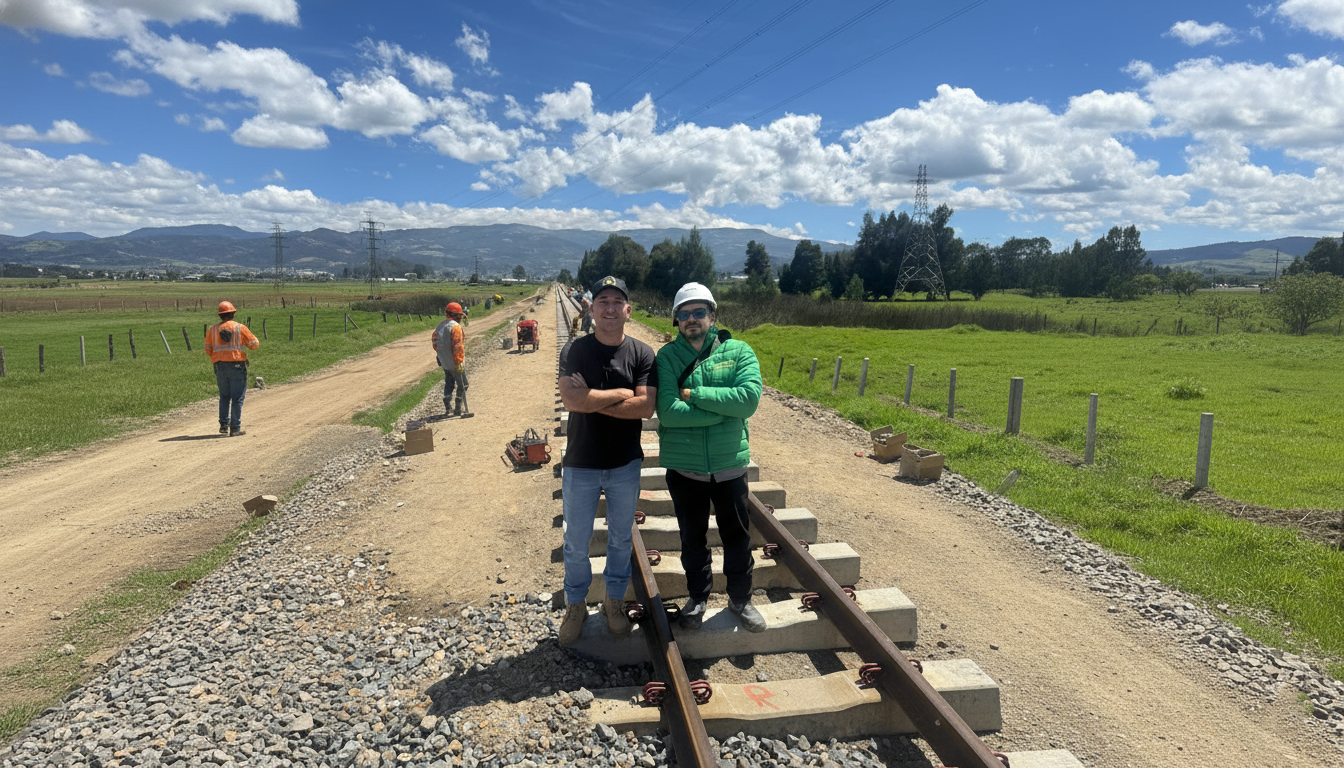
Challenges and Executions
1st – Do we understand the Government’s pain points (geographic, water, climate, regulatory, and social limitations)?
Mexican vulnerabilities are described under three central pillars:
- External dependence exceeding 90% of consumed soy, with supply risk concentrated in the Mississippi/Gulf of Mexico corridor;
- A 70% productivity technology gap compared to Brazil;
- Significant logistical impact on the final cost, which can reach up to 29% of the Landed Cost.
Furthermore, the document expressly recognizes:
- Regional water limitations (“water availability in specific areas”);
- Regulatory sensitivity to biotechnology and political orientation regarding GMOs;
- Competition with traditional crops, such as white corn;
- The need to respect local and indigenous communities;
- Requirement for rigorous environmental compliance.
2nd – How is BL capable of addressing them?
Logistical Mitigation
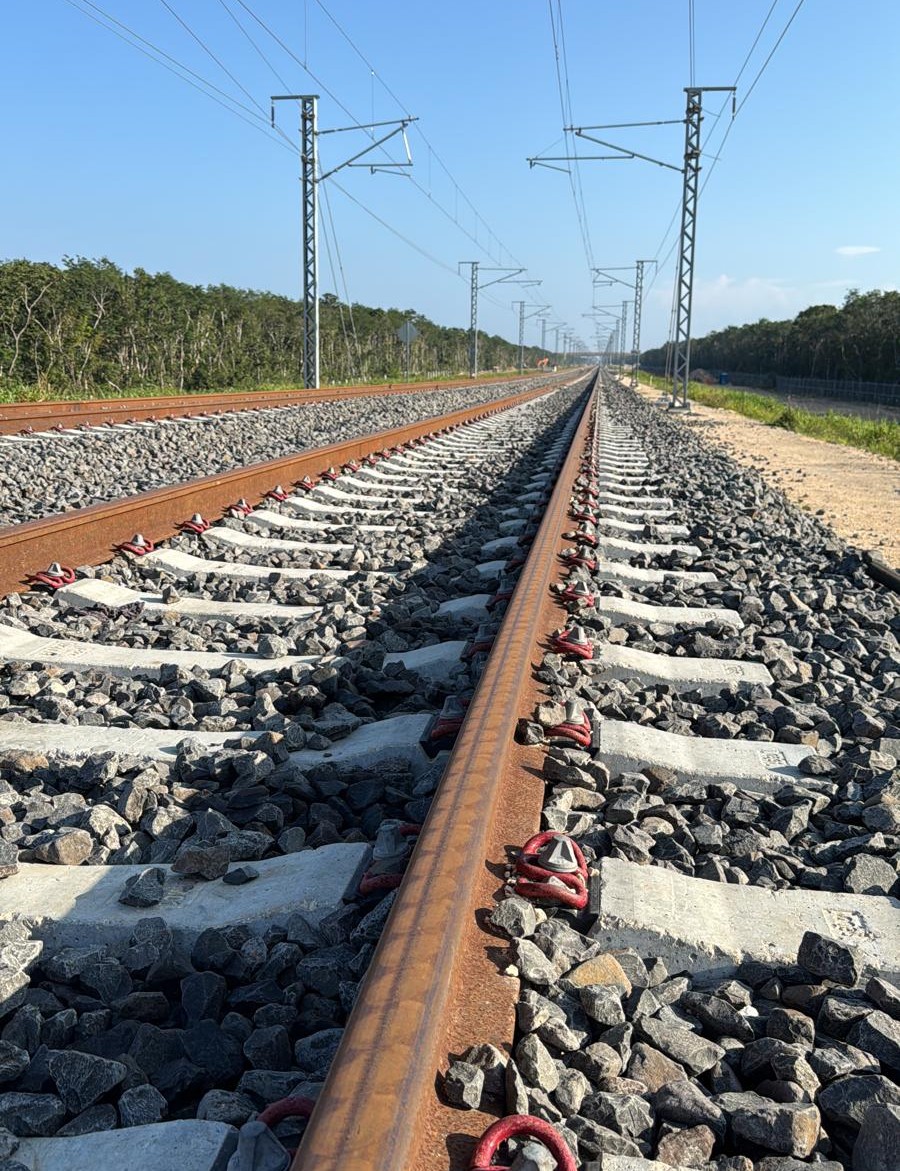
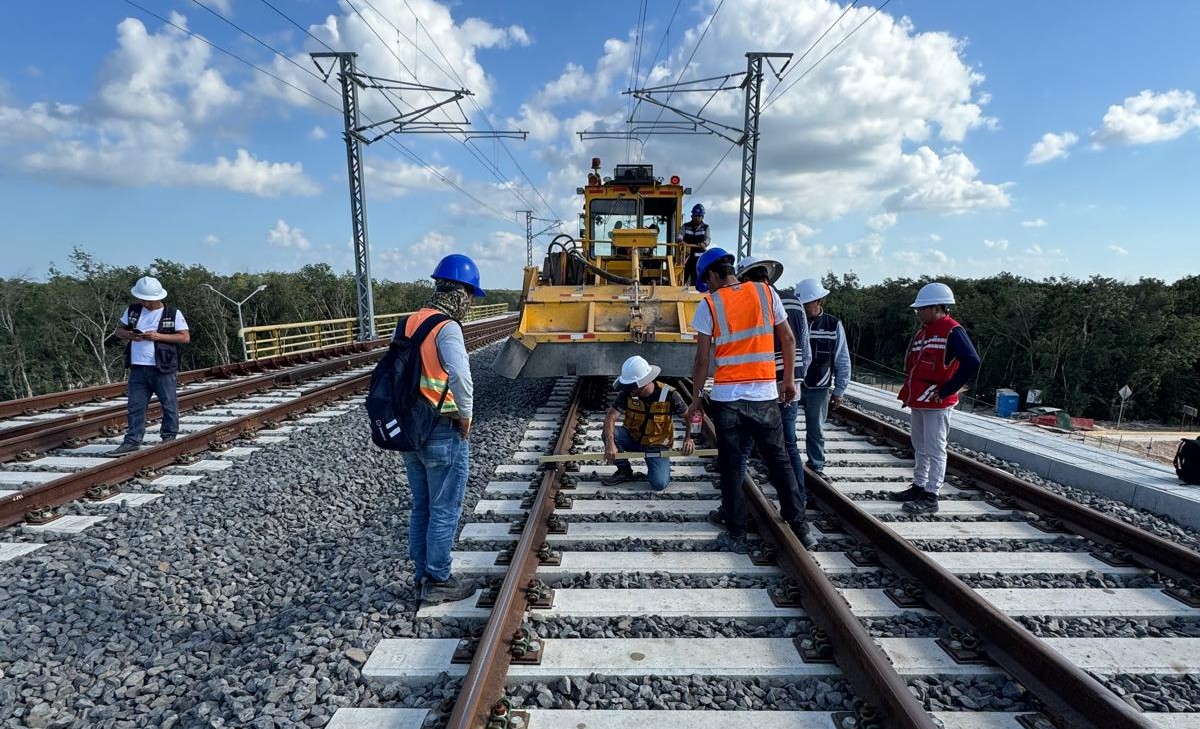
By proposing railway optimization, BL directly tackles the logistical cost issue—which can neutralize agronomic gains. The reduction of “friction costs” is treated as a key viability variable.
Systemic Integration
BL does not propose isolated agricultural expansion, but rather the integration of production, capital, infrastructure, and governance. This approach responds to the structural fragmentation identified in the Mexican case.
Know-how Transfer
The framework provides connections with agronomists and operators experienced in tropical soy, structuring technical training programs adapted to Mexican conditions.
Structural Risk Mitigation
There is an emphasis on preliminary diagnosis, pilot projects, performance metrics, and phased structuring—classic instruments for reducing technical and financial risk.
In summary: BL addresses these pain points not by replacing the State, but by reducing technical, logistical, and coordination asymmetries.
3rd – What is BL’s role in the execution of the four proposed pillars?
- Patient capital;
- Adapted technical knowledge;
- Efficient logistical infrastructure;
- Clear institutional governance.
BL’s role is described as:
Agro-logistics Ecosystem Structurer
Connects investors, producers, and logistical operators.
Technology Transfer Facilitator
Articulates Brazilian know-how and promotes technical training.
Heavy-haul Railway Engineering Specialist
Evaluates, optimizes, and structures highly reliable logistical solutions.
Governance Organizer and Risk Mitigator
Proposes metrics, implementation phases, and institutional models.
BL, therefore, acts as a strategic integrator—not as a direct agricultural executor.
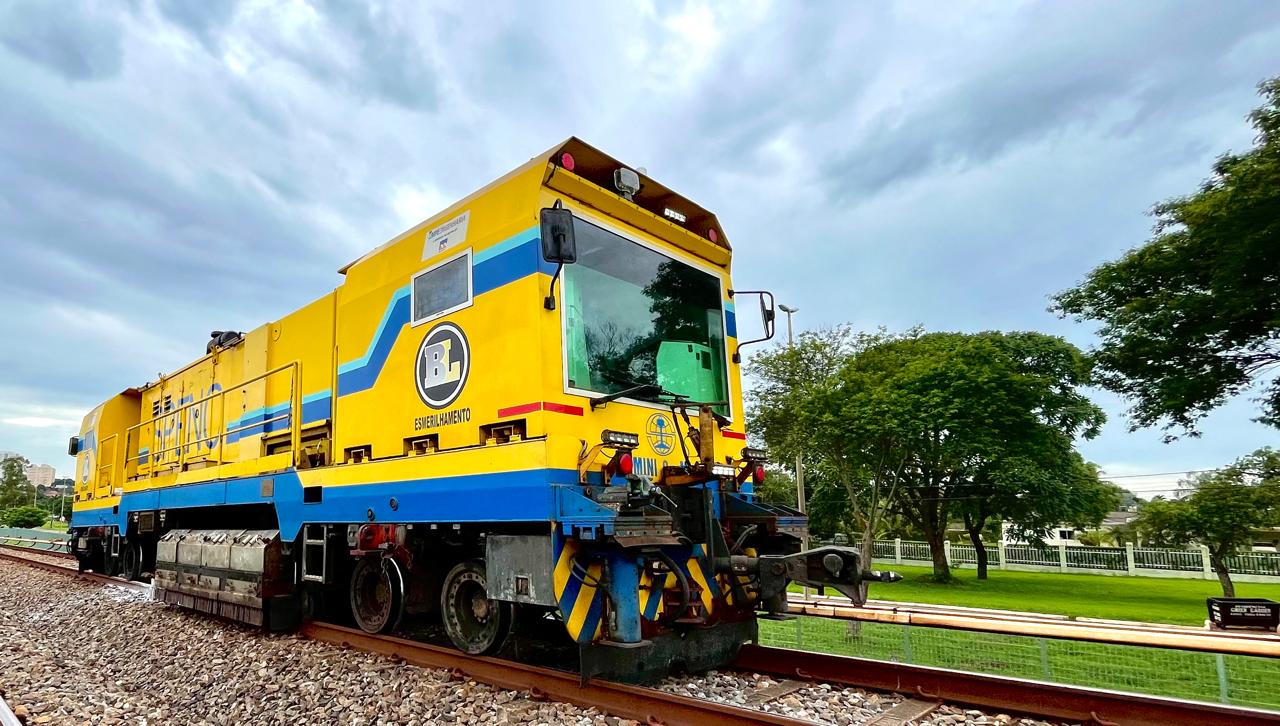
4th – Will BL be an investor, operator, financial structurer, logistical integrator, or technology provider?
- It does not position itself as an agricultural producer;
- It does not present itself as a direct operator of the soy chain;
- It does not state that it will provide its own capital as a majority investor.
What the text consistently affirms is that BL will act as a:
- Project structurer;
- Investor connector;
- Logistical integrator;
- Railway engineering specialist;
- Risk mitigation and TCO reduction modeler.
Therefore, its core identity is that of a strategic articulator and logistical integrator with technical competence in railway infrastructure.
5th – What assets, expertise, or differentiators will BL contribute?
1. Specialization in heavy-haul railway infrastructure
This is the primary declared technical asset.
2. Maintenance methodologies oriented toward high reliability
Focusing on failure reduction and increased operational availability.
3. Ability to model Total Cost of Ownership (TCO) reduction
A systemic cost approach, not just focused on CAPEX.
4. Accumulated experience in the Brazilian environment
Presented as a challenging climatic and logistical environment.
5. Institutional articulation capacity
Connection between capital, operators, government, and infrastructure.
The central differentiator, therefore, is railway logistical expertise applied to agro-industrial competitiveness, with a risk-mitigation oriented approach.