


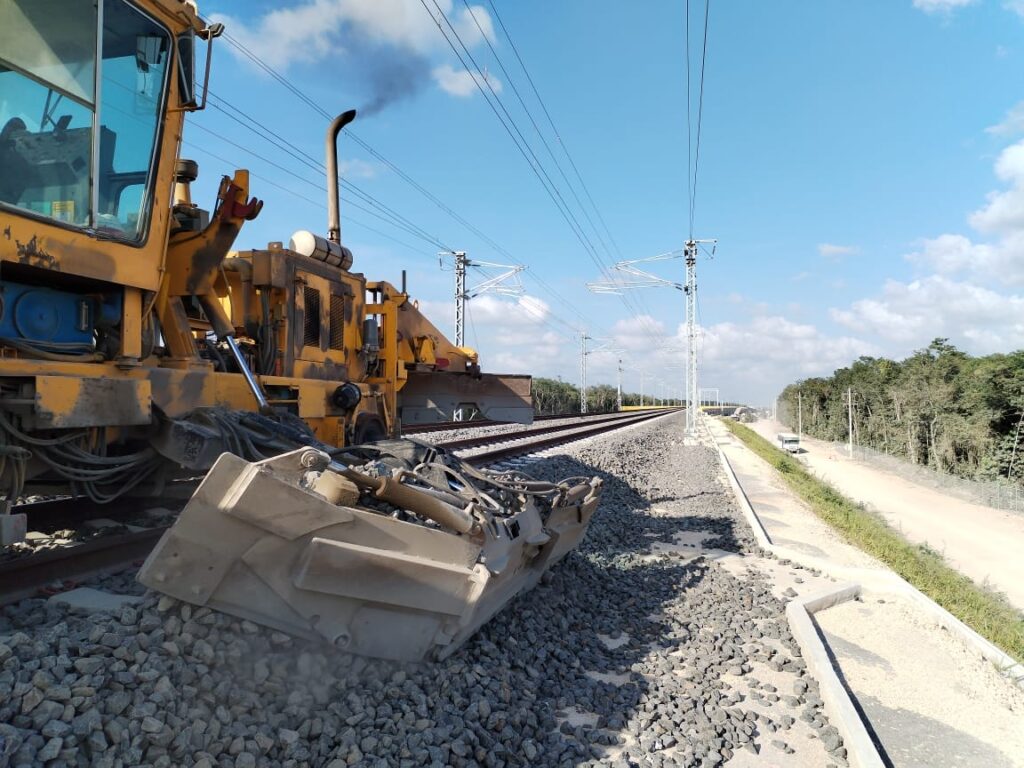
The analysis and technical expertise of railway equipment are fundamental processes to ensure the safety, reliability and efficiency of railway systems. These procedures involve the detailed evaluation of components, materials and systems of railway equipment, such as locomotives, wagons, tracks, braking systems and electrical systems.
Main Aspects of Technical Analysis and Expertise
-
Visual and Structural Inspection
- Identification of wear, cracks, corrosion and structural failures.
- Checking for deformations and mechanical damage to components.
-
Material Analysis
- Destructive and non-destructive testing (NDT), such as ultrasound, magnetic particles and liquid penetrants.
- Evaluation of mechanical and metallographic properties of materials.
-
Fault and Defect Diagnosis
- Investigation of the causes of failures, such as fatigue, impact or premature wear.
- Application of forensic techniques to determine contributing factors.
-
Verification of Mechanical and Electronic Systems
- Brake, traction, suspension and signaling operation tests.
- Fault diagnosis in electrical and electronic systems.
-
Standards and Regulations
- Compliance with national and international standards (ABNT, ANTT, AAR, UIC, among others).
- Safety and operation assessment according to railway regulations.
-
Preparation of Technical Reports
- Detailed reports on equipment conditions.
- Recommendations for maintenance, replacement or improvements.
Importance of Technical Expertise
- Operational safety: Reduction of risks of accidents and serious failures.
- Economic efficiency: Prevention of major damage and high repair costs.
- System reliability: Guarantee of adequate equipment performance.